
Forex trading has emerged as one of the most accessible financial markets globally, with a staggering daily turnover exceeding $6 trillion . While this market offers tremendous opportunities with its 24/5 availability, high liquidity, and flexible trading options , navigating it successfully requires specialized knowledge and skills that separate consistently profitable traders from those who struggle. The foreign exchange market’s unique characteristics – including its decentralized structure, leverage availability, and sensitivity to global economic events – create an environment where proper education isn’t just beneficial but essential for long-term survival and success.
The challenge for most aspiring traders lies in identifying which educational resources offer genuine value amidst a landscape filled with exaggerated promises and “get-rich-quick” schemes. This comprehensive guide cuts through the noise to provide an honest assessment of Forex trading course options, helping you build a solid foundation for your trading career while avoiding common pitfalls that claim many beginners.
What Makes Forex Trading Education Essential?
The accessibility of Forex trading represents both its greatest attraction and its most significant risk. With many brokers welcoming accounts with initial deposits as modest as $100 , the barrier to entry has never been lower. However, this accessibility often leads inexperienced traders to underestimate the market’s complexity, resulting in potentially costly mistakes.
Proper Forex education addresses this gap by providing structured learning pathways that help traders understand not just how to execute trades, but how to analyze markets, manage risk, and develop the psychological discipline necessary for consistent performance. Unlike unstructured learning through random YouTube videos or forum posts, a comprehensive course provides a systematic approach to mastering both the technical and fundamental aspects of currency trading while instilling crucial risk management habits from the very beginning.
Essential Components of a Quality Forex Curriculum
Core Concepts and Market Mechanics
Every reputable Forex trading course begins by establishing a strong foundation in market fundamentals. This includes understanding what Forex is, how currency pairs work, and who the major market participants are. You’ll learn essential terminology including pips, lots, spreads, order types, leverage, and margin requirements . These foundational elements create the framework upon which all subsequent trading knowledge is built.
Technical Analysis Foundation
Technical analysis forms the backbone of most retail trading strategies. A quality course will comprehensively cover:
- Chart patterns including triangles, wedges, and double tops/bottoms that help identify potential market movements
- Technical indicators like moving averages, Relative Strength Index (RSI), and Bollinger Bands that help gauge market momentum and conditions
- Price action analysis that focuses on raw price movement without secondary indicators
- Candlestick patterns that reveal market sentiment and potential reversal points
Fundamental Analysis Understanding
While technical analysis focuses on charts and patterns, fundamental analysis examines the economic, social, and political forces that drive currency values. Comprehensive courses cover:
- Economic indicators like GDP, employment data, and inflation rates that significantly impact currency valuations
- Central bank policies and interest rate decisions that create major currency movements
- Geopolitical events and news trading strategies that capitalize on market volatility
Risk Management Strategies
Perhaps the most critical yet often overlooked component, risk management education separates professional traders from amateurs. Quality courses emphasize:
- Position sizing techniques to ensure no single trade can significantly damage your capital
- Stop-loss and take-profit strategies to manage trades objectively
- Leverage management to avoid the overexposure that claims many beginner accounts
- Portfolio correlation understanding to avoid unintentional concentration of risk
Trading Psychology Development
The psychological aspect of trading presents one of the greatest challenges for most traders. Excellent courses address:
- Emotional control techniques to manage fear and greed during trading
- Discipline development to consistently follow trading plans
- Cognitive bias awareness to avoid common mental traps that undermine profitability
Types of Forex Trading Courses
Self-Paced Online Platforms
Online learning platforms have revolutionized Forex education, offering flexible options for traders at all levels:
- Udemy hosts numerous Forex courses with varying specializations, featuring video lessons, quizzes, and practical exercises . The platform currently offers over 660 Forex-related courses with more than 2.5 million total enrollments .
- BabyPips provides a free structured curriculum popular among beginners for its comprehensive approach to market basics
- Specialized trading educators like Humbled Trader on YouTube offer free content focusing on practical strategies and psychological aspects of trading
Broker-Provided Educational Resources
Many established brokers invest significantly in educational content to support their clients:
- IG Academy stands out with its comprehensive learning management system, offering structured courses with progress tracking and quizzes alongside a dedicated educational mobile app
- provides interactive courses with integrated progress tracking and self-assessment quizzes
- AvaTrade offers the AvaAcademy with 20+ courses, 145+ lessons, and 45+ quizzes covering everything from basics to advanced strategies
- eToro Academy has significantly expanded its educational offerings with structured courses, dedicated guides, and educational modules covering multiple asset classes
Academic and University Courses
For those seeking theoretical depth alongside practical skills:
- Coursera partners with universities and institutions to offer finance and trading courses, including some with Forex components
- Yale University’s “Financial Markets” course on Coursera, taught by Nobel laureate Robert Shiller, provides an academic foundation in market operations with over 2 million enrollments
How to Select the Right Forex Trading Course
Choosing appropriate Forex education requires careful consideration of several factors:
- Define Your Learning Objectives: Are you seeking hobbyist knowledge, part-time income, or professional trading skills? Your goals should dictate the course depth and intensity you select.
- Assess Your Learning Style: Do you prefer structured, academic approaches or practical, hands-on learning? Some courses emphasize theory while others focus almost exclusively on practical execution.
- Verify Instructor Credentials: Research the instructor’s actual trading background and teaching experience. Be wary of educators who can’t demonstrate a verifiable track record of both trading and teaching success.
- Evaluate Course Comprehensiveness: Ensure the curriculum covers technical analysis, fundamental analysis, risk management, and trading psychology rather than focusing narrowly on specific strategies.
- Consider Practical Components: Look for courses that include demo trading, trade simulations, or interactive exercises that allow you to apply concepts without financial risk.
- Check Update Frequency: Forex markets evolve constantly; ensure the course content has been updated recently to reflect current market conditions.
- Review Community Feedback: Search for independent reviews and student testimonials to gauge actual educational value rather than relying solely on marketing claims.
Recommended Forex Course Platforms
Table: Comparison of Top Forex Education Platforms
| Platform | Best For | Key Features | Learning Format |
|---|---|---|---|
| IG Academy | Comprehensive Education | Structured courses with quizzes, progress tracking, dedicated mobile app | Self-paced with interactive elements |
| BabyPips | Absolute Beginners | Free structured curriculum, community support, progressive learning path | Self-paced online modules |
| Udemy | Specific Skill Development | Wide variety of courses, affordable pricing, practical focus | Video-based with supplementary materials |
| Coursera | Theoretical Foundation | University-backed content, academic approach, verified certificates | Structured with assignments |
| Broker Academies | Platform-Specific Trading | Integrated with trading platforms, practical application | Mixed media with demo accounts |
Developing Skills Beyond the Course
Completing a Forex trading course represents just the beginning of your trading education journey. The transition from theoretical knowledge to consistent profitability requires dedicated practice and ongoing skill development.
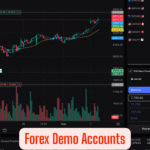
Demo trading accounts provide invaluable opportunities to implement learned concepts in realistic market conditions without financial risk. Most reputable brokers offer these practice accounts, typically with virtual funds ranging from $10,000 to $50,000 . Use this simulation period to develop and test your trading plan, practice execution, and build confidence before transitioning to live markets.
The psychological challenges of trading often emerge only when real money is on the line. Even the most comprehensive course cannot fully prepare you for the emotional impact of watching price movements against your position or the temptation to deviate from your trading plan during drawdowns. Consider maintaining a trading journal to track not just your trades but your emotional state and decision-making process during different market conditions.
Continuous learning remains essential as market dynamics evolve. The most successful traders never stop educating themselves, regularly reviewing their performance, studying new strategies, and staying informed about global economic developments that impact currency valuations.
Conclusion: Your Path to Forex Trading Success
Forex trading presents a legitimate pathway to financial independence, but it demands respect, discipline, and proper education. The allure of quick profits draws many into the market, but it’s the dedicated students who treat trading as a serious skill who ultimately achieve sustainable success.
By investing in a quality Forex trading course that matches your learning style and goals, practicing diligently through demo accounts, and developing the psychological resilience required for consistent performance, you position yourself among the informed minority of traders who approach the market with realistic expectations and professional preparation.
Remember that even the most comprehensive course cannot guarantee trading success—that ultimately depends on your ability to apply knowledge consistently under real market conditions. However, a solid educational foundation dramatically shortens the learning curve and helps you avoid the common pitfalls that claim many beginner accounts.
Disclaimer
Trading foreign exchange on margin carries a high level of risk and may not be suitable for all investors. The possibility exists that you could sustain a loss of some or all of your initial investment, and therefore you should not invest money that you cannot afford to lose. The content provided in this article is for educational purposes only and does not constitute financial advice. You should be aware of all the risks associated with foreign exchange trading and seek advice from an independent financial advisor if you have any doubts. Past performance is not indicative of future results, and no representation is being made that any account will or is likely to achieve profits or losses similar to those discussed.
Faqs
1. What is the most important thing to look for in a Forex trading course?
The most critical components are comprehensive risk management education, trading psychology development, and a balanced curriculum covering both technical and fundamental analysis. Many beginners focus only on trading strategies, but proper risk management and psychological discipline are what separate successful traders from those who lose money. Ensure the course teaches position sizing, stop-loss strategies, and emotional control alongside market analysis techniques.
2. Are free Forex trading courses from brokers like IG or reliable?
Yes, many broker-provided courses like IG Academy and education are highly reliable and structured. These established brokers invest significantly in educational content to help clients trade more successfully. However, it’s wise to supplement broker education with independent sources to ensure you’re receiving balanced information, as broker courses may naturally emphasize their own platforms and tools.
3. How long does it typically take to become proficient after taking a Forex course?
Most comprehensive courses require 2-4 months to complete thoroughly, but developing true proficiency typically takes 6-12 months of consistent practice and application. The learning curve involves not just understanding concepts but developing the psychological discipline and practical experience needed to execute trades consistently. Demo trading for several months after course completion is essential before transitioning to live accounts.
4. Can I become a successful Forex trader just by taking online courses?
Online courses provide the essential foundation, but successful trading requires combining this knowledge with extensive practice, emotional discipline, and continuous learning. Courses teach the necessary skills and concepts, but developing the experience to apply them consistently under real market conditions requires dedicated demo trading, ongoing education, and psychological development beyond any single course.
5. What’s the main difference between technical analysis and fundamental analysis in Forex?
Technical analysis focuses on price charts, patterns, and indicators to predict future movements, while fundamental analysis examines economic factors like interest rates, GDP, and geopolitical events that drive currency values. Most successful traders use a combination of both approaches – technical analysis for timing entries and exits, and fundamental analysis for understanding broader market trends and currency strength drivers.