For nearly two decades, MetaTrader 4 (MT4) has stood as a titan in the world of forex trading. Developed by MetaQuotes Software Corp, this platform has become the undisputed benchmark, used by an overwhelming majority of traders and brokers globally. Its enduring popularity isn’t accidental; it’s the result of a powerful combination of user-friendly design, robust analytical tools, and unparalleled automated trading capabilities.
Whether you’re taking your first steps into the foreign exchange market or are a seasoned veteran, understanding how to leverage MT4’s full potential is crucial for your trading success. This guide will walk you through everything you need to know, from its core features to advanced risk management strategies.
Why is MetaTrader 4 So Popular Among Traders?
MT4 was designed with a clear goal: to make online forex trading accessible, efficient, and powerful. Its widespread adoption by approximately 80% of all online brokers is a testament to its success. But what exactly makes it so compelling?
- User-Friendly Interface: MT4 boasts an intuitive and clean layout, making it easy for beginners to navigate while still providing the depth that professional traders require. The learning curve is gentle, allowing new traders to start with confidence.
- Unmatched Flexibility and Accessibility: Trade from anywhere in the world. MT4 is available on desktop (Windows and macOS), web browsers, and through mobile apps for iOS and Android devices. This multi-device support ensures you can monitor and manage your positions anytime.
- Powerful Community and Support: With millions of users worldwide, MT4 is backed by a vast community. Traders can share ideas, and thousands of free online resources, tutorials, and forums are dedicated to helping others master the platform.
- Cost-Effectiveness: For individual traders, the MT4 platform itself is typically offered for free by brokers. You only need to deposit trading capital to get started.
Core Features that Define the MT4 Experience
MT4’s dominance is built on a foundation of powerful, trader-centric features. Let’s delve into the tools that have made it an industry standard.
1. Advanced Technical Analysis Tools
At the heart of MT4 is a comprehensive charting package. Traders can analyze price movements using:
- Nine Timeframes: Analyze trends from a one-minute (M1) chart up to a monthly (MN) chart.
- Multiple Chart Types: Utilize candlestick, bar, line, and other chart types to visualize market data.
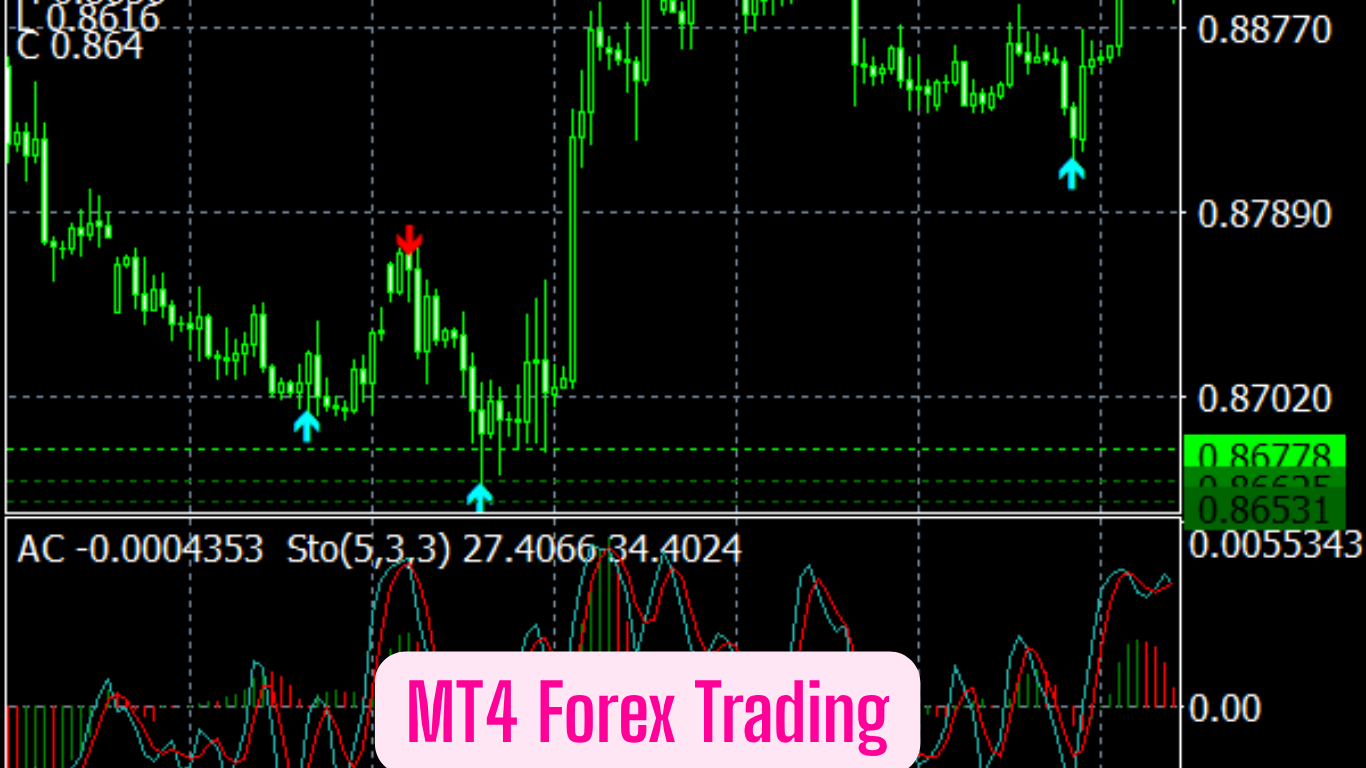
- 30 Built-In Technical Indicators: Access a wide array of classic indicators like Moving Averages, Bollinger Bands, RSI, and MACD directly from the platform.
- 24 Analytical Objects: Draw trend lines, Fibonacci retracements, channels, and shapes directly onto charts to identify support, resistance, and trading patterns.
- Custom Indicators: Beyond the built-in tools, you can access over 2,000 free custom indicators or purchase around 700 paid ones from the MT4 Market, or even have one developed specifically for you.
2. Automated Trading with Expert Advisors (EAs)
This is arguably the feature that solidified MT4’s legendary status. Expert Advisors (EAs) are automated trading scripts that can analyze the market and execute trades on your behalf, 24 hours a day.
- Remove Emotion: Automated trading helps eliminate psychological biases from your trading decisions.
- Back-Testing Capabilities: Before risking real capital, you can test your EAs on historical data to see how they would have performed, allowing you to refine and optimize your strategies.
- MQL4 Programming Language: EAs are developed using MQL4, a flexible and effective programming language that allows traders to create everything from simple scripts to complex trading robots.
3. Comprehensive Risk Management Tools
Successful trading is as much about preserving capital as it is about making profits. MT4 provides essential tools to manage your risk effectively.
- Stop-Loss Orders: Predefine the price level at which a losing trade will automatically close, limiting your potential loss on any single position.
- Take-Profit Orders: Lock in profits by setting a predetermined price level at which a winning trade will automatically close.
- Trailing Stops: A dynamic stop-loss that follows favorable price movements. If the price moves in your favor, the stop-loss adjusts accordingly, helping you protect your profits while giving the trade room to grow.
4. Mobile Trading and Real-Time Alerts
The MT4 mobile app ensures you are never disconnected from the markets. With full functionality, you can manage open positions, perform technical analysis, and execute new trades directly from your smartphone or tablet. Coupled with customizable price alerts, you’ll never miss a potential trading opportunity.
Effective Risk Management Strategies on MT4
Using the platform’s tools is one thing; using them wisely is another. Here are key strategies to integrate into your MT4 trading:
- Position Sizing: Never risk too much of your capital on a single trade. Use a position size calculator to determine the appropriate lot size based on your account balance and risk tolerance.
- Risk-to-Reward Ratio: Always assess the potential profit of a trade against the potential loss. A common guideline is to aim for a risk-to-reward ratio of at least 1:2, meaning your potential profit is at least twice your potential risk.
- Diversification: While MT4 is known for forex, many brokers offer other assets like indices, commodities, and shares through the platform. Spreading your investments can help reduce overall portfolio risk.
- Leverage Management: While leverage can amplify profits, it can also magnify losses. Use leverage cautiously and understand the implications it has on your margin requirements and potential drawdowns.
Choosing the Right MT4 Broker
Since MT4 is a platform and not a broker itself, your choice of broker is critical. Key factors to consider include:
- Regulation and Security: Always choose a broker regulated by reputable authorities like the ASIC (Australia), FCA (UK), or CySEC (Cyprus) to ensure the safety of your funds.
- Trading Costs: Compare spreads (the difference between the bid and ask price) and any commission fees.
- Execution Speed and Quality: Look for brokers known for fast and reliable trade execution with minimal requotes.
- Customer Support: Ensure the broker offers responsive and helpful customer service in your language.
Some brokers consistently receive high marks for their MT4 offerings, such as IC Markets (known for high volume and competitive pricing), FP Markets (a great low-cost option), and Pepperstone (renowned for its vast collection of third-party tools and add-ons).
A Note on MT4 vs. MT5
Many traders wonder about the difference between MT4 and its successor, MT5. While MT5 is a more powerful platform with more timeframes, built-in indicators, and the ability to trade on stock exchanges, MT4 remains the preferred choice for the vast majority of forex traders. Its focus on forex, simpler design, and the massive existing library of EAs and indicators dedicated to it keep MT4 highly relevant today.
Conclusion
MetaTrader 4 is more than just a piece of software; it is a complete trading ecosystem. Its perfect blend of simplicity for beginners and depth for experts has secured its place as the go-to platform for a generation of forex traders. By mastering its charting tools, embracing automated trading with Expert Advisors, and adhering to strict risk management principles within the platform, you can equip yourself with a significant edge in the competitive forex market.
Disclaimer
This article is for informational and educational purposes only and should not be construed as investment advice or a recommendation to buy or sell any financial instrument. Trading foreign exchange (Forex) and Contracts for Difference (CFDs) on margin carries a high level of risk and may not be suitable for all investors. There is a possibility that you may sustain a loss equal to or greater than your entire investment. Therefore, you should not invest or risk money that you cannot afford to lose. The high degree of leverage can work against you as well as for you. Past performance is not indicative of future results. You should be aware of all the risks associated with Forex and CFD trading and seek advice from an independent financial advisor if you have any doubts. The author and publisher are not responsible for any data or information provided by third parties referenced in this communication.
FAQs
1. Is MetaTrader 4 (MT4) free to use?
Yes, the MT4 trading platform itself is typically free to download and use. Brokers provide the platform to their clients at no cost. However, trading involves costs through spreads (the difference between the buy and sell price) and potentially commissions, depending on your broker’s account type. You will need to deposit trading capital to place live trades.
2. What is the main difference between MT4 and MT5?
While MT5 is the newer version, MT4 remains the dominant platform for forex traders. The key difference is their focus: MT4 was specifically designed for spot forex trading and is celebrated for its simplicity and vast library of custom tools (Expert Advisors and indicators). MT5 is a multi-asset platform built to trade forex, stocks, and futures, featuring more built-in tools and timeframes. However, the massive existing community and resources for forex-specific strategies keep MT4 as the preferred choice for many retail forex traders.
3. What are Expert Advisors (EAs) and how do they work?
Expert Advisors (EAs) are automated trading scripts or robots that run on the MT4 platform. Using the MQL4 programming language, they are designed to analyze market conditions and automatically execute trades based on a pre-defined set of rules, 24/7. The primary benefits are removing emotional bias from trading and allowing for back-testing strategies on historical data before risking real capital.
4. I’m a beginner. Is MT4 suitable for me?
Absolutely. MT4 is an excellent choice for beginners due to its intuitive and user-friendly interface. The learning curve is gentle, allowing new traders to easily place trades, perform basic analysis, and manage their accounts. Furthermore, the platform’s depth means you won’t outgrow it; as your skills develop, you can explore its more advanced features like custom indicators and automated trading, making it a platform that can grow with you.
5. How do I manage risk when trading on MT4?
MT4 provides essential built-in tools for risk management. The most critical ones are:
- Stop-Loss Orders: Automatically closes a trade at a predetermined price to limit your losses.
- Take-Profit Orders: Automatically closes a trade to lock in profits when a target price is reached.
- Trailing Stop: A dynamic stop-loss that moves as the trade moves in your favor, protecting your profits.
Effective risk management also involves using these tools within a broader strategy that includes sensible position sizing, maintaining a favorable risk-to-reward ratio (e.g., 1:2), and using leverage cautiously.