In today’s fast-moving financial markets, having the right forex trading platform is essential. Whether you’re trading currency pairs, adding cryptocurrencies to your portfolio, or diversifying across multiple assets, the platform you choose can directly impact your performance. A platform is more than just a tool to place trades—it provides the charts, research, execution speed, and risk management tools that shape your trading journey.
This article explores what makes a forex trading platform effective, what features to look for, and how crypto and forex traders can benefit from using advanced financial technology.
What Is a Forex Trading Platform?
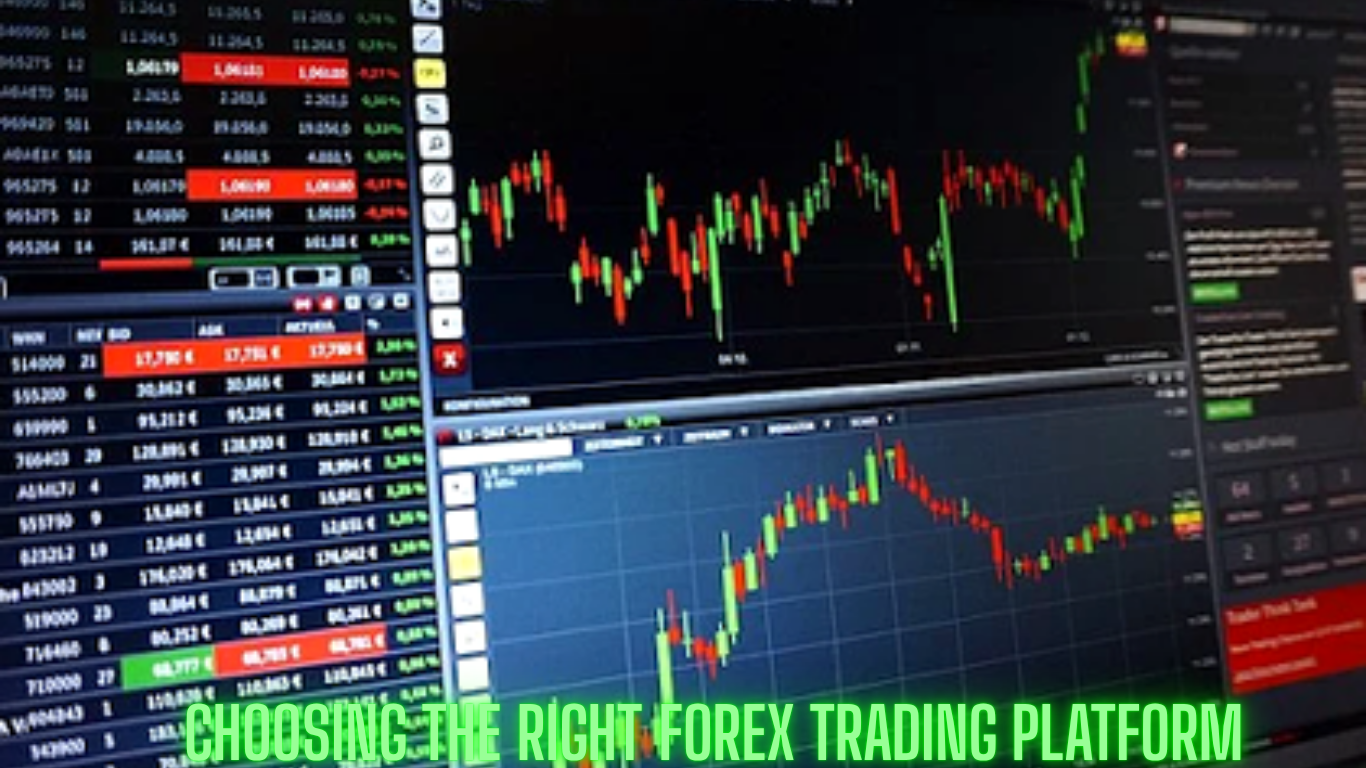
A forex trading platform is a software interface—desktop, web, or mobile—that allows traders to access financial markets. It connects you with liquidity providers and brokers, letting you buy or sell forex, crypto, or other financial instruments.
Typical functions include:
- Real-time quotes and pricing
- Interactive charting and technical indicators
- Fast execution of buy/sell orders
- Account and portfolio management
- Risk control through stop-loss and take-profit tools
Key Features That Make a Platform Stand Out
When comparing forex trading platforms, here are the most important aspects to evaluate:
1. Advanced Charting & Technical Analysis
Good platforms provide customizable charts, multiple time frames, and popular indicators like RSI, MACD, and moving averages. Drawing tools such as Fibonacci retracements or trendlines help traders make informed decisions.
2. Multi-Device Accessibility
Modern traders expect seamless access across desktop, web, and mobile. The best platforms allow you to switch devices while keeping watchlists, layouts, and open positions synchronized.
3. MetaTrader and Proprietary Platforms
While MetaTrader 4 (MT4) and MetaTrader 5 (MT5) remain the industry standard due to their automation features, some brokers also offer proprietary platforms with unique benefits such as advanced analytics, built-in news feeds, or trader performance tracking.
4. Wide Range of Tradable Instruments
Diversification is critical. Leading platforms allow you to trade not just major and minor forex pairs but also commodities, indices, stocks, and even cryptocurrency CFDs where regulations permit.
5. Order Types & Execution Quality
Execution speed matters, especially in volatile markets. Platforms should offer a variety of order types like market, limit, stop-loss, and trailing stops, along with low slippage and transparent spreads.
6. Trader Analytics & Performance Review
Some platforms now offer built-in trade analysis tools that track your win rate, risk-reward ratio, and behavioral patterns. Reviewing your own performance is essential for long-term success.
7. Market Research & News Integration
Economic calendars, news updates, and analyst commentary built directly into the platform help traders stay informed without switching between multiple apps.
8. Pricing Transparency
Hidden costs can eat into profits. A quality platform clearly displays spreads, commissions, and any extra fees, allowing you to trade with full cost awareness.
9. Security & Reliability
Strong encryption, compliance with regulators, and reliable server uptime are non-negotiable features. Some platforms also include negative balance protection to shield traders from extreme volatility.
10. User Experience & Simplicity
An intuitive, customizable interface is especially important for beginners. For professionals, platforms should offer advanced layouts, one-click trading, and efficient workflow design.
Forex Trading Platforms vs Crypto Trading Platforms
Forex and crypto trading often overlap, but there are differences:
- Liquidity: Forex markets are extremely liquid with tight spreads, while crypto markets are often more volatile with wider spreads.
- Hours: Forex runs 24/5, while crypto trades 24/7, requiring platforms with round-the-clock support.
- Volatility: Crypto tends to have sharper price swings, so platforms must allow for quick execution and flexible stop management.
- Regulation: Forex platforms are highly regulated; crypto platforms vary depending on region.
An ideal platform supports both asset classes, giving traders maximum flexibility.
How to Choose the Right Platform for You
Before committing, ask yourself:
- Do I trade mostly forex, crypto, or both?
- Do I prefer automated trading (using Expert Advisors or bots) or manual strategies?
- Do I need advanced charting or simple one-click execution?
- How important is mobile trading for my lifestyle?
- What is my budget for spreads, commissions, and other costs?
- Does the platform offer educational resources and customer support?
By matching platform features to your trading style, you increase your chances of long-term success.
Advantages of Using a Modern Forex Trading Platform
- Access to multiple markets (forex, crypto, stocks, commodities) in one place
- Real-time charting and technical indicators
- Integration of news and economic data
- Automation through trading bots or Expert Advisors
- Secure and reliable execution with transparent pricing
- Ability to trade on the go through mobile apps
Limitations to Keep in Mind
- Not all platforms support both forex and crypto due to regulations
- Fees and spreads may increase during high-volatility events
- Advanced features may overwhelm beginners at first
- Automated trading still requires monitoring and discipline
Risk Management on Trading Platforms
Even the best platform cannot protect you from poor risk management. Traders should:
- Risk only 1–3% of capital per trade
- Always set stop-loss orders
- Avoid over-leveraging, especially in volatile crypto markets
- Review performance metrics regularly
- Maintain a trading journal for discipline and growth
Disclaimer
Trading forex, CFDs, and cryptocurrencies carries a high level of risk. It is possible to lose more than your initial investment. This article is for educational purposes only and should not be taken as financial or investment advice. Always test trading platforms on demo accounts, do your own research, and consult a licensed financial advisor before committing real capital.
FAQs
1. Can I trade both forex and cryptocurrency on the same platform?
Yes, many platforms offer both forex pairs and crypto instruments, but availability depends on regulations in your country.
2. What is the best forex trading platform for beginners?
A beginner-friendly platform is one with an intuitive interface, demo accounts, educational resources, and strong customer support.
3. Why do traders use MetaTrader 4 or MetaTrader 5?
MT4 and MT5 are widely used because they support automated trading, custom indicators, strategy backtesting, and have large global communities.
4. Are trading platforms safe to use?
Reputable platforms regulated by financial authorities are generally safe, but traders should still ensure strong passwords, two-factor authentication, and secure internet connections.
5. How can I test a trading platform without risking money?
Most brokers offer demo accounts with virtual funds. This lets you practice strategies, test execution speed, and explore features before moving to real accounts.